How to Make Filament From Recycled 3D Print Waste
Turning failed prints, supports and process scrap back into usable filament. What to sort, how to prepare it, and what to expect from recycled feedstock.
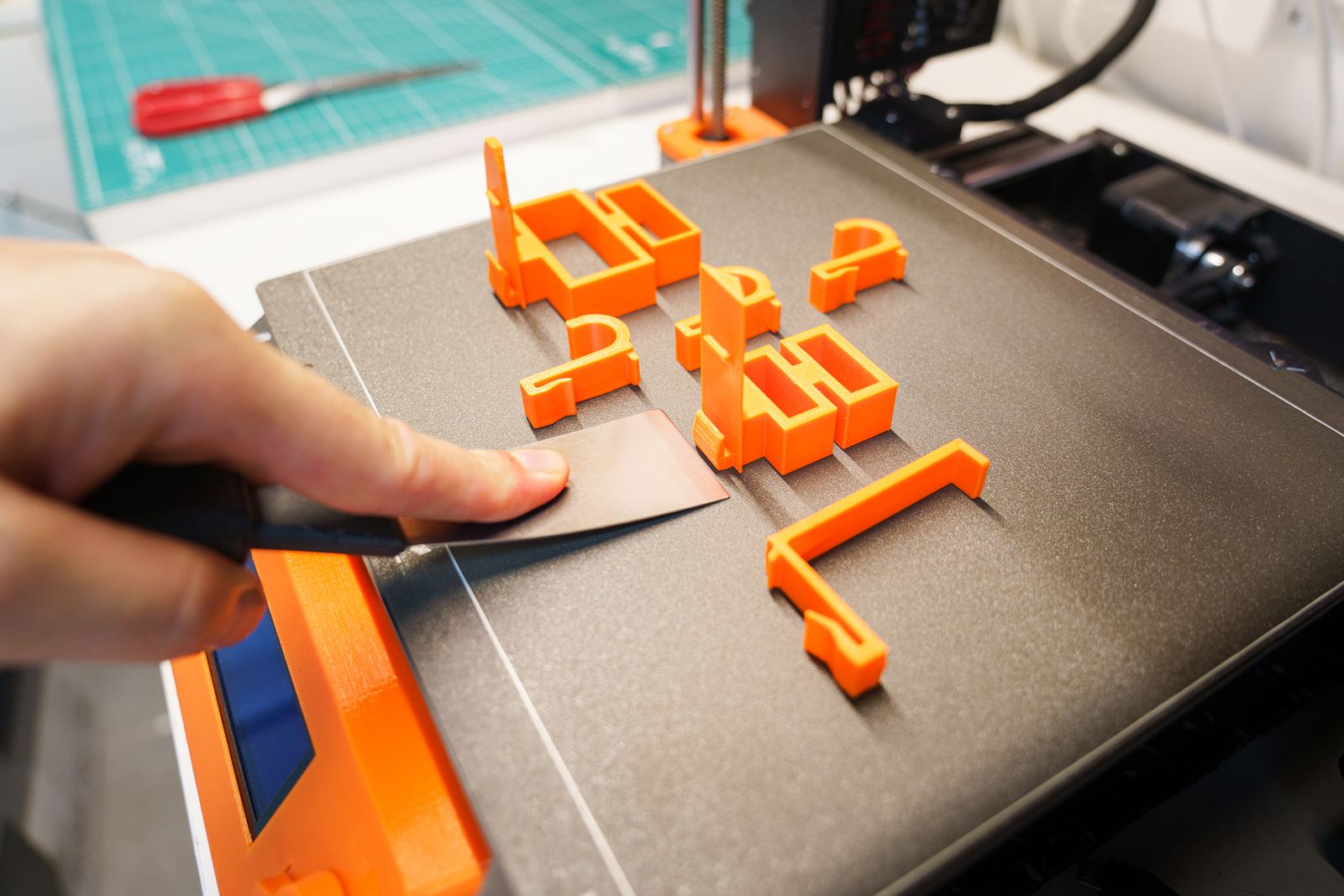
To make filament from 3D print waste, sort the scrap by polymer type, clean it, reduce it to small, even pieces and dry it if the polymer absorbs moisture. Then extrude it like virgin pellets, measuring diameter as it is spooled. Expect some loss of properties each time a polymer is reprocessed.
Key takeaways
- Sort scrap by polymer. Mixed plastics rarely bond into a strong filament.
- Keep it clean. Dust, labels and metal fragments end up in the strand.
- Reduce it to small, consistent pieces so it feeds evenly.
- Dry moisture-sensitive polymers before extruding.
- Each reprocessing cycle can reduce a polymer's properties, so test the result.
Every print shop, lab and maker space produces scrap: failed prints, supports, brims, purge lines and test pieces. Most of it is thermoplastic you already paid for. With a filament extruder, a lot of it can become filament again.
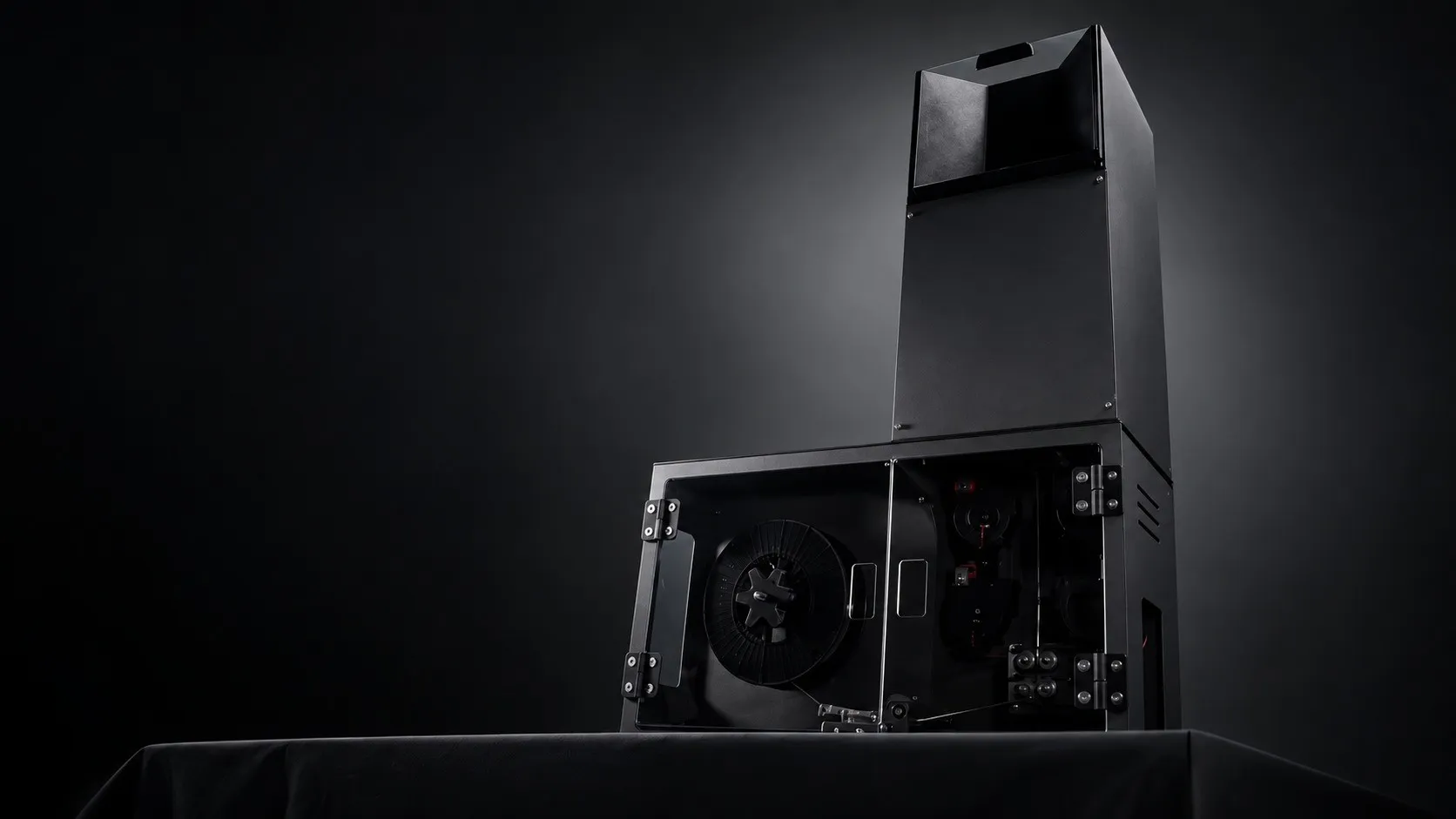
ASTER-C is built for this. It accepts reclaimed thermoplastic from print waste or process scrap and extrudes it back into filament at a user-defined diameter between 0.5 mm and 3 mm. The quality of the result depends mostly on how well the scrap is prepared.
Step 1: Sort by polymer
This is the most important step. Different polymers melt at different temperatures and most do not blend into a strong, uniform material. PLA mixed with PETG, for example, will not give you a reliable filament of either.
Keep separate bins for each polymer you print with. If you cannot identify a piece of scrap, leave it out.
Step 2: Clean it
Anything on the scrap ends up in the filament. Remove:
- labels, tape and adhesive residue;
- dust and debris from the print bed or floor;
- metal: screws, inserts, wire or fragments, which can also damage the screw and barrel.
Step 3: Reduce it to small, even pieces
Scrap has to be broken down into pieces small and consistent enough to feed from the hopper into the screw, similar in size to virgin pellets. Large or irregular pieces can bridge in the feed throat, starving the screw and causing diameter variation in the strand.
Step 4: Dry it if needed
Some polymers absorb moisture from the air, including nylon, polycarbonate and PETG. Wet material can bubble or form voids as it is extruded, which weakens the filament and shows up as surface defects. Dry moisture-sensitive scrap before extruding it, following the drying guidance for that grade.
Step 5: Extrude and measure
Load the prepared scrap into the hopper and run it like virgin material, setting temperature and screw speed for the polymer in the PC interface. ASTER-C’s Hall-effect sensor reads the pulled strand to ±50 µm, and the CSV log records each run, so you can compare batches.
What to expect from recycled filament
Reprocessing puts the polymer through another heat cycle, and each cycle can reduce its properties. Recycled filament may be weaker or more brittle than the virgin material it came from. Two practical approaches:
- Test before you rely on it. Print test parts and check them against your requirements.
- Blend with virgin material. Mixing reclaimed scrap with fresh pellets of the same polymer is a common way to balance cost and performance.
What cannot be reprocessed
Thermosets and PVC are not compatible with ASTER-C. Thermosets cure irreversibly and will not re-melt. PVC releases corrosive decomposition products at extrusion temperature that attack the screw and barrel. Keep both out of your scrap bins.
Frequently asked questions
Can you recycle failed 3D prints into new filament?
Yes, if the material is a suitable thermoplastic. Failed prints, supports and purge material can be cleaned, reduced to small pieces and extruded back into filament.
Can I mix different types of plastic scrap?
It is best not to. Most different polymers do not blend into a strong, uniform filament. Sort scrap by polymer type before reprocessing.
Is recycled filament as good as virgin filament?
Not always. Reprocessing exposes the polymer to heat again, which can reduce its properties. Test recycled filament for your application, and consider blending it with virgin material.
What scrap can ASTER-C not reprocess?
Thermosets and PVC. Thermosets will not re-melt, and PVC releases corrosive products at extrusion temperature that attack the screw and barrel.